If you’re planning a whale watching experience in Hermanus, one of the most common questions is:
“What is the best time of day to see whales?”
The best time of day for whale watching in Hermanus is early morning, when the sea is calmest, visibility is clearest, and the wind hasn’t yet picked up.
The good news is that Southern Right Whales can be seen throughout the day during whale season. However, weather conditions, ocean visibility, lighting, and whale behaviour can all influence your viewing experience.
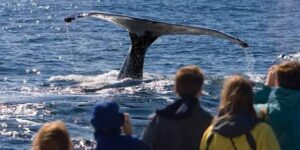
Whether you’re joining a boat-based whale watching tour or watching from Hermanus’ famous cliff paths, understanding the best times to go can significantly improve your chances of enjoying memorable whale encounters.
In this guide, we’ll explore morning vs afternoon whale watching conditions, seasonal differences, ocean visibility factors, and photography tips to help you plan the perfect whale watching adventure in Hermanus.
Morning vs afternoon: which should you choose?
| Factor | Morning | Afternoon |
|---|---|---|
| Sea conditions | Usually calmest | Often windier & choppier |
| Visibility | Clearest | Glare & chop can reduce it |
| Boat comfort | Better; fewer cancellations | More weather cancellations |
| Light for photos | Soft, golden early on | Harsh midday, lovely late |
| Crowds | Quieter on the cliff path | Busier through midday |
| Best for | Boat tours, photography, calm viewing | Late golden hour; if morning’s booked |
Afternoon isn’t a write-off. On a rare windless afternoon the late golden hour can be beautiful, and an afternoon slot is a perfectly good fallback if the morning boat is fully booked. But if you can only choose one outing, choose the morning.
Why Hermanus Is One of the World’s Best Whale Watching Destinations
Located along South Africa’s scenic Whale Coast, Hermanus is internationally recognised as one of the best land-based whale watching destinations in the world.
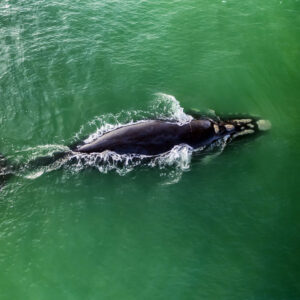
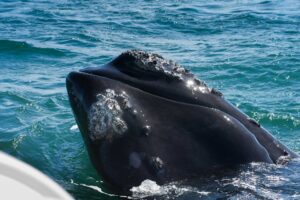
Every year, hundreds of Southern Right Whales migrate from Antarctica to the warmer coastal waters of South Africa to mate, calve, and nurse their young. During the peak season, whales can often be spotted just a few metres from the shoreline.
The combination of sheltered bays, shallow waters, and excellent viewing points makes Hermanus an exceptional destination for whale enthusiasts, photographers, and nature lovers alike.
Morning Whale Watching in Hermanus
For many experienced guides and photographers, morning whale watching often provides the most favourable conditions.
Calmer Ocean Conditions
During the early morning hours, winds are typically lighter. This often results in calmer seas and smoother boat rides.
Calmer water makes it easier to spot:
- Whale blows (spouts)
- Dorsal fins
- Tail flukes
- Surface activity
Smaller ripples on the ocean surface also improve visibility and allow guides to identify whales more easily from greater distances.
Better Visibility
Morning sunlight tends to be softer and less harsh than midday sunlight.
This creates:
- Reduced glare on the water
- Improved contrast
- Better viewing conditions
Many whale watching operators prefer morning departures because spotting whales is often easier before stronger afternoon winds develop.
Active Whale Behaviour
Southern Right Whales can be active throughout the day, but calm morning conditions often make behaviours more noticeable.
Visitors may observe:
- Breaching
- Tail slapping
- Spyhopping
- Mothers swimming with calves
Because the sea surface is smoother, these displays are generally easier to see and photograph.
Afternoon Whale Watching in Hermanus
Afternoon whale watching tours can be equally rewarding and often offer unique advantages.
Warmer Temperatures
By afternoon, temperatures are usually warmer and more comfortable, particularly during the cooler months of the whale season.
Many visitors enjoy the relaxed atmosphere and brighter conditions.
Increased Whale Activity
There is no scientific evidence that whales are consistently more active during one specific time of day.
However, afternoon tours frequently report exciting encounters, including:
- Social interactions between whales
- Surface activity
- Playful calf behaviour
- Breaching displays
The reality is that whales follow their own natural rhythms, making every excursion unique.
Changing Wind Conditions
The primary challenge of afternoon whale watching is wind.
The Western Cape often experiences stronger afternoon breezes, especially during spring and summer.
These winds can create:
- Choppier seas
- Increased ocean spray
- More glare on the water
While whale sightings remain excellent, spotting conditions may become slightly more challenging compared to calm mornings.
How Ocean Visibility Affects Whale Watching
Ocean visibility plays a major role in the quality of a whale watching experience.
Several factors influence how easily whales can be spotted.
Wind Speed
Wind creates waves and whitecaps that can make whale blows harder to identify.
Calmer conditions generally improve visibility significantly.
Sun Position
When the sun reflects directly off the ocean surface, glare can reduce visibility.
Experienced guides constantly adjust viewing angles to minimise this effect.
Cloud Cover
Light cloud cover can sometimes improve whale spotting by reducing reflections on the water.
Overcast days often surprise visitors with excellent viewing conditions.
Sea State
A calm sea state allows whale activity to stand out more clearly.
This is one reason morning departures are often recommended for first-time whale watchers.
Seasonal Differences and the Best Time to See Whales
While whales can be seen during various times of the year, the season strongly influences viewing opportunities.
June to August
Early season arrivals begin appearing along the coast.
Sightings become increasingly frequent as more whales reach Hermanus.
September to October
This is widely considered the peak whale watching season.
Visitors often enjoy:
- High whale numbers
- Mothers with calves
- Frequent surface activity
- Excellent land-based viewing opportunities
For many travellers, September and October offer the best overall whale watching experience.
November to December
Many whales begin their migration south.
Although sightings remain possible, whale numbers gradually decrease as the season progresses.
Photography Tips for Whale Watching in Hermanus
Capturing great whale photos requires preparation, patience, and a little luck.
Choose Faster Shutter Speeds
Whales move quickly and unpredictably.
Use a shutter speed of at least 1/1000 second when possible to freeze action during breaches and tail slaps.
Use Continuous Shooting Mode
Burst mode allows you to capture multiple images in rapid succession.
This significantly increases your chances of capturing dramatic whale behaviour.
Protect Your Equipment
Boat tours can expose cameras to salt spray and moisture.
Bring:
- Lens cloths
- Waterproof protection
- Extra batteries
- Spare memory cards
Focus on Behaviour
Rather than constantly zooming in, watch for behavioural cues.
Whales often show signs before breaching or lifting their tails.
Experienced photographers learn to anticipate these moments.
Consider Morning Light
The softer light during morning tours often produces cleaner images with less glare and more balanced exposure.
This is one reason many wildlife photographers prefer early departures.
So, What Is the Best Time of Day for Whale Watching in Hermanus?
If your goal is to maximize visibility and enjoy calmer ocean conditions, morning whale watching tours generally offer the best overall experience.
However, afternoon tours can be equally rewarding and often feature memorable whale encounters under warmer conditions.
Ultimately, the best time depends on:
- Weather conditions
- Wind strength
- Season
- Personal preference
The most important factor is visiting Hermanus during peak whale season, when whale numbers are at their highest and sightings are consistently excellent.
Experience Whale Watching in Hermanus with Zion Escape Tours
At Zion Escape Tours, we help visitors experience one of South Africa’s most extraordinary wildlife spectacles.
Our guided whale watching experiences combine local knowledge, breathtaking coastal scenery, and unforgettable encounters with Southern Right Whales along the famous Whale Coast.
Whether you’re visiting during peak whale season or planning your first whale watching adventure, our team can help you make the most of your Hermanus experience.
Contact Zion Escape Tours today to plan your whale watching tour and discover why Hermanus is regarded as one of the best whale watching destinations in the world.